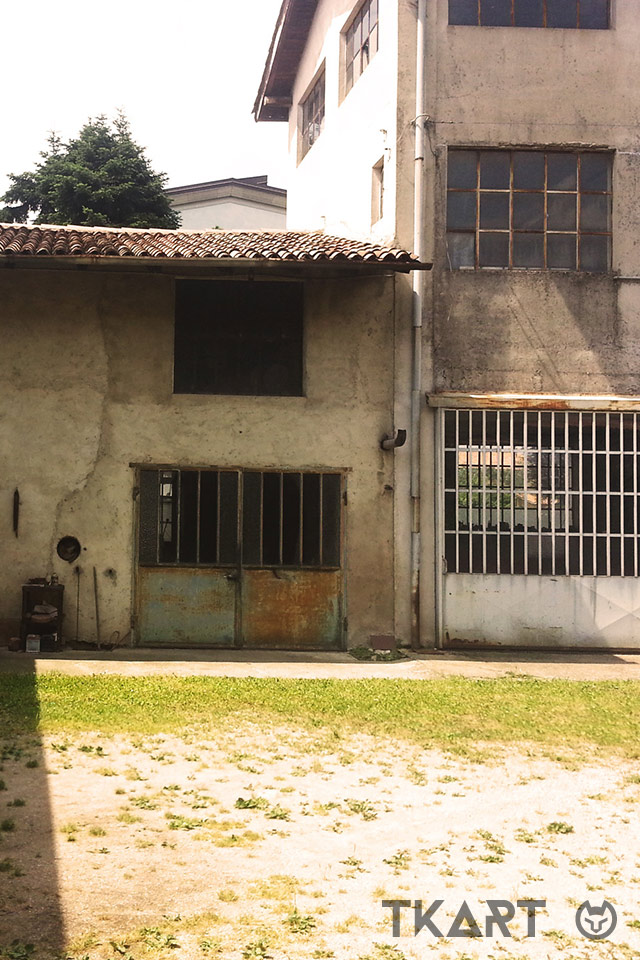
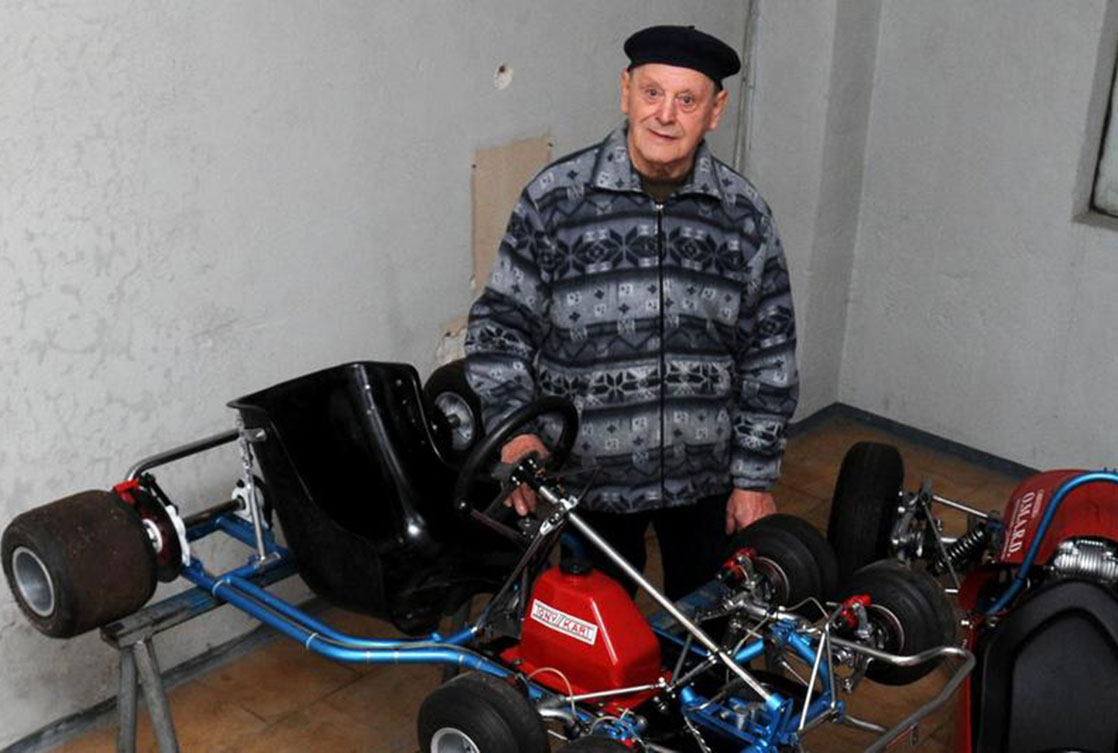
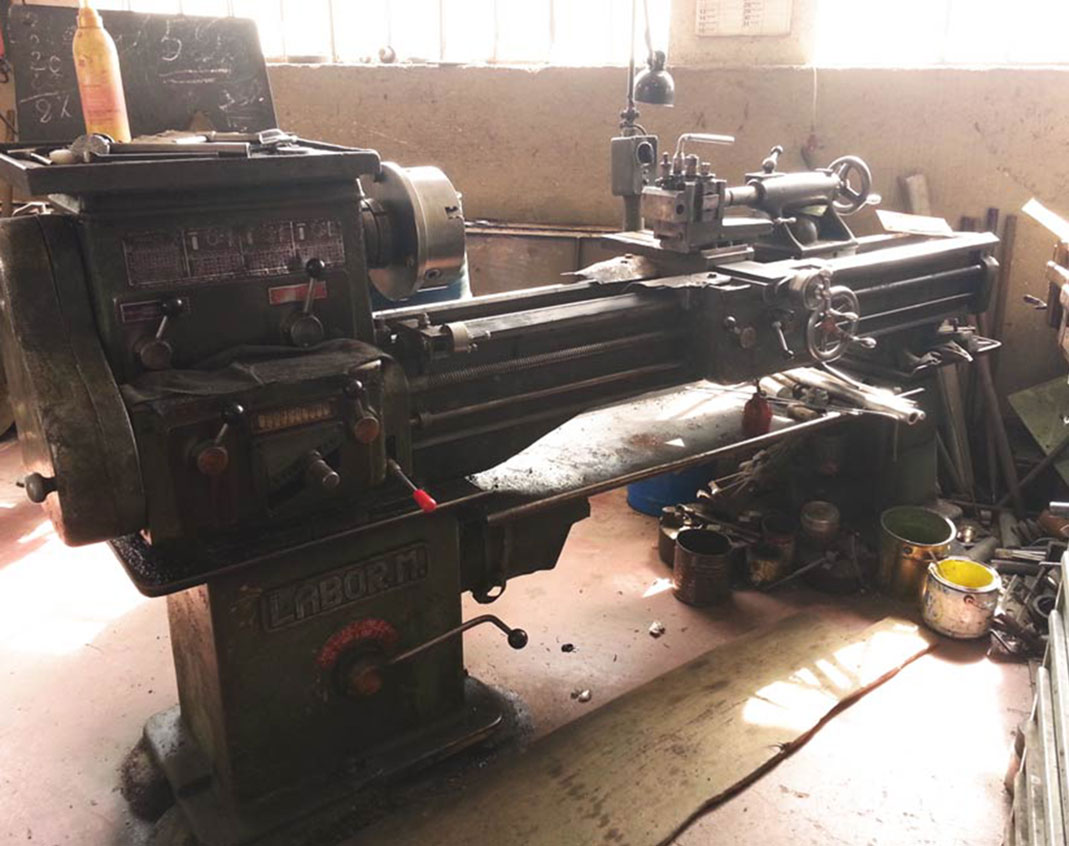
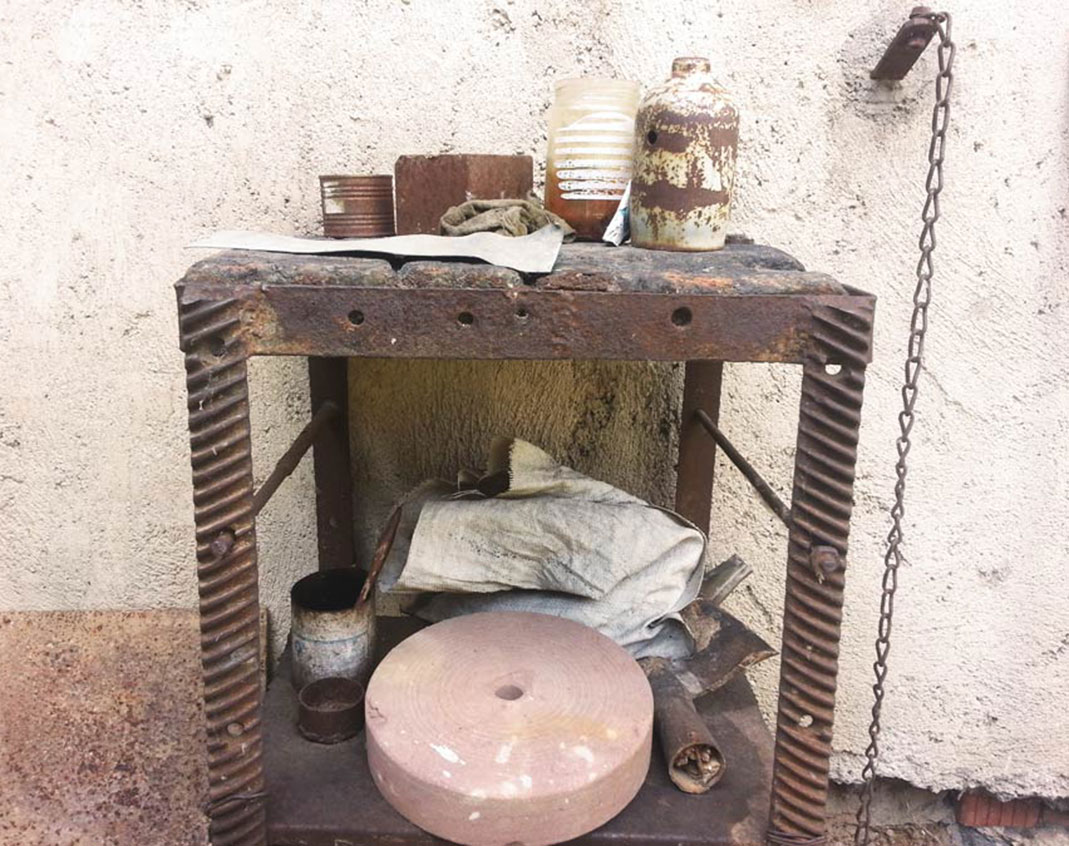
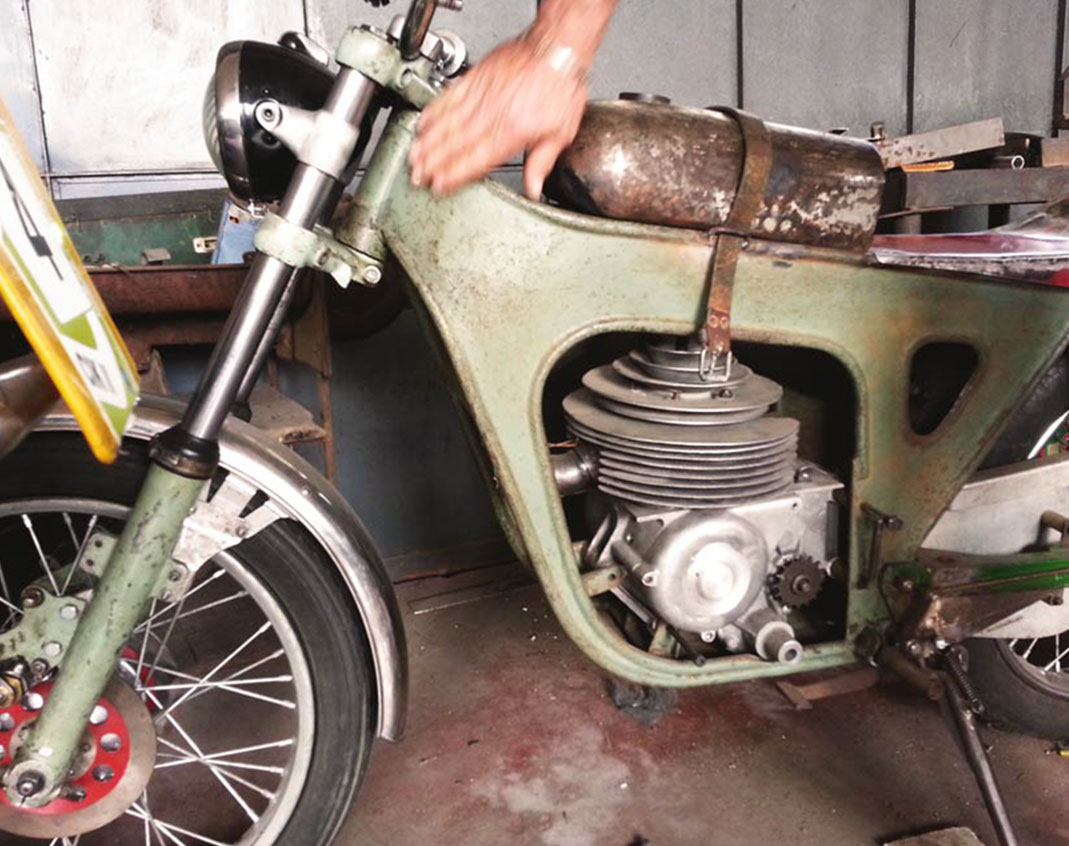
Tony Bosio, the founder of Tony Kart, passed away in June of 2015. But workshop premises in Prevalle, the original headquarters of the company, are still there. Splendid and immovable, just like the days in which it all started...
Top partner
For people in their thirties or younger, “Tony Kart” is just a brand, as they say in marketing. Yet, in the beginning, “Tony Kart” was a nick name. It was how everyone called Antonio Bosio, a brilliant gentleman from the little Italian town of Prevalle. In no time, town folks took to calling him Tony and turned his passion for karts into a sort of last name. Put the two together and you get “Tony Kart”. Tony, born in 1923, loves mechanics and speed. And he has a gift that goes above and beyond the elementary school diploma that marks the end of his studies. In the ‘50s, his gift takes shape in the construction of a kart, his first. The inspiration comes from a photograph from an American magazine. He is confident, because he has already built something similar: the home-made “emergency vehicle” mounted on four Vespa wheels that he uses to help broken-down tractors in the farms around where he lives.
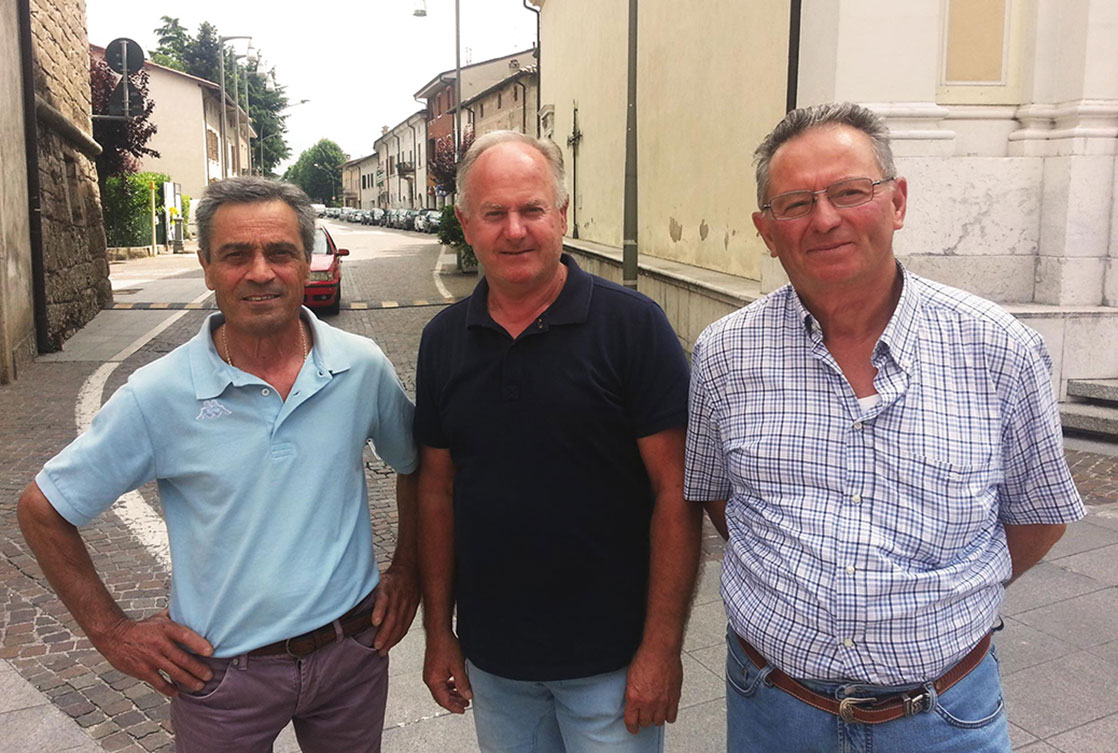
Three drivers how raced with Bosio: from left, Renato Accatoli, Stefano Saracini,
Dario Moricchi (aka Pippo)Read more
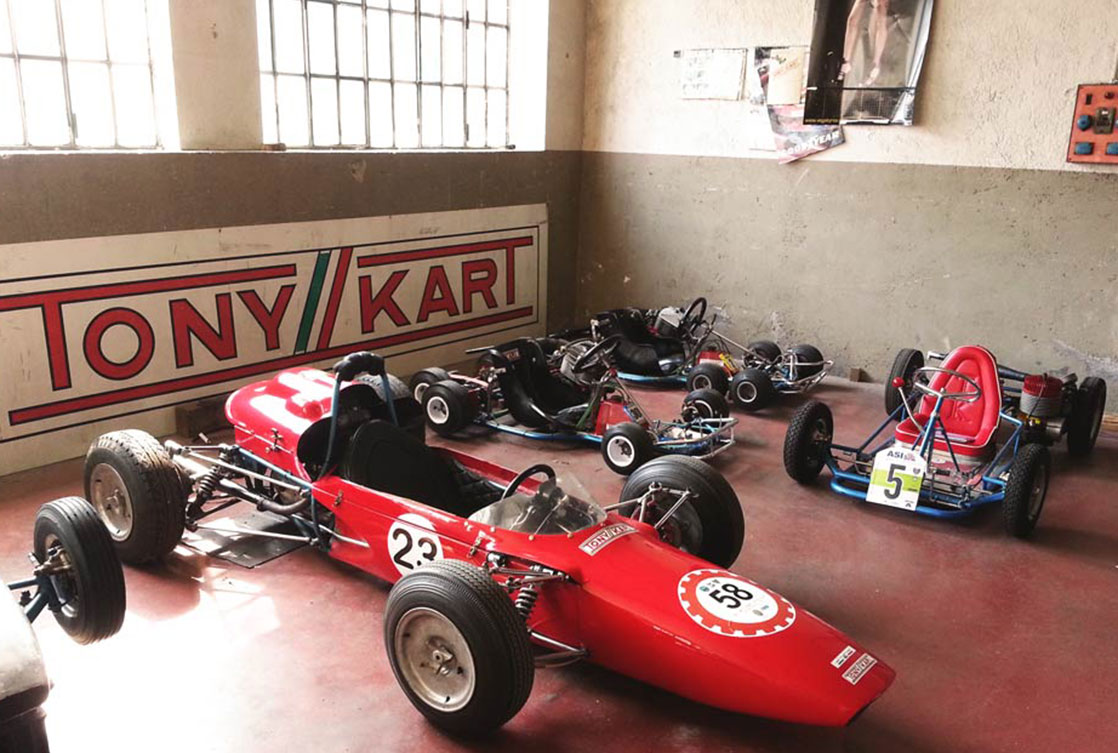
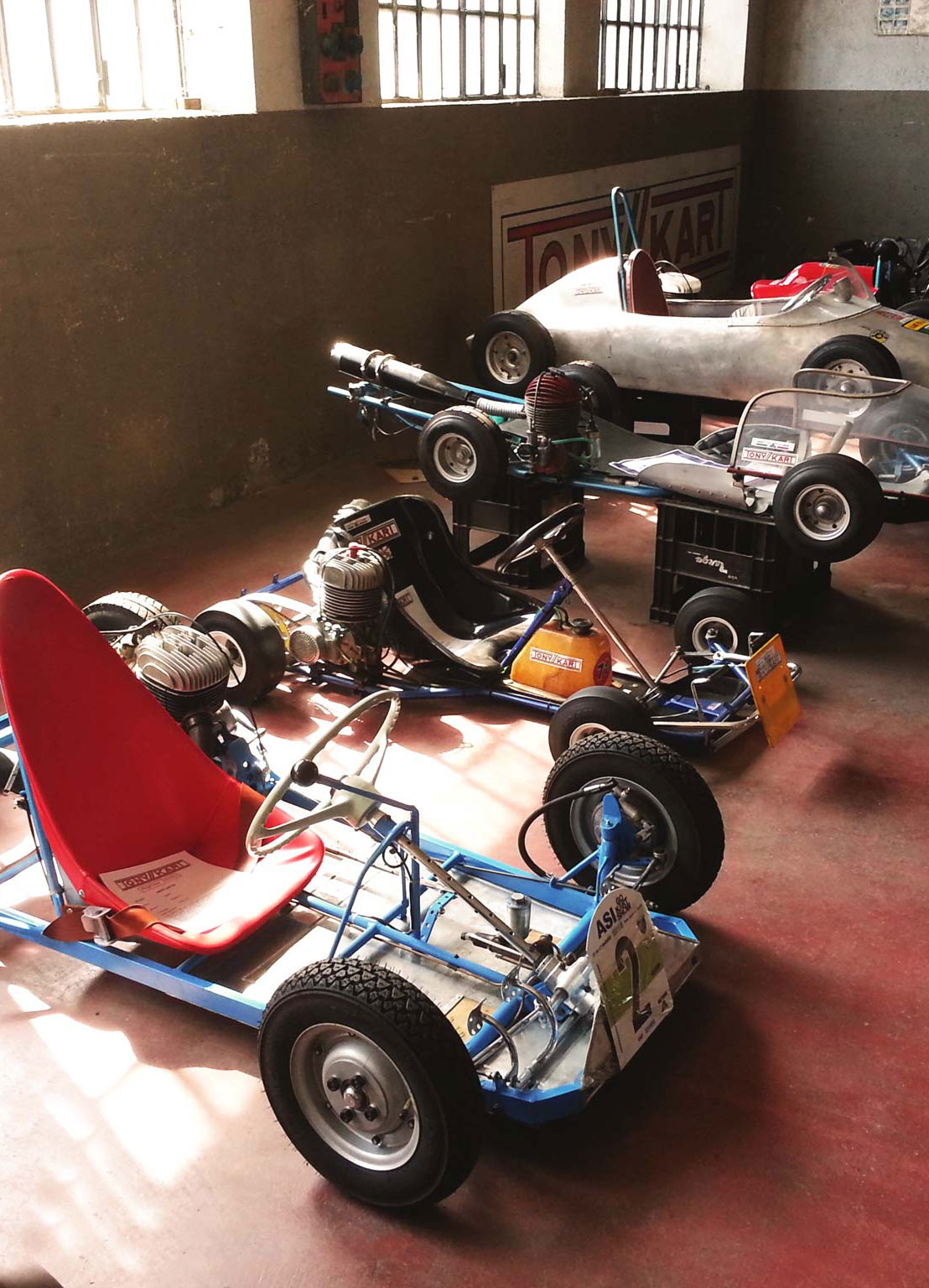
Some of the prefectly renovated cars and karts stored in what used to be Antonio Bosio’s factoryRead more
A recent photograph of Antonio Bosio, who kept visiting his creations in the shop until the endRead more
“WE DID EVERYTHING OURSELVES: WE’D CAST RIMS, BRAKE PADS... OTHER THAN BEARINGS, YOU NAME IT, WE MADE IT!”
Now, building a kart from scratch is not exactly easy. First of all, you need a chassis. No problem! Metal tubes, some welding, and there you go. You also need brakes. Again, said and done: Tony shapes molds, melts aluminum, pours it in to his “shells” and comes up with brake calipers. And on with the rest: “Tony Kart” turns his three-story shop into an inventor’s lab, where every component is carefully thought out and crafted with painstaking precision, with help from local kids eager to learn a trade. One of them is “Cecco Winkart”. He starts working in Tony Kart in 1977, he is just 16. “We did everything by hand,” he tells us. “We’d cast rims, brake pads, you name it! Other than bearings, he made everything! For the most part, we built 125s. Then, in late 1983 - early 1984, they started making 100’s too, when Robazzi (Roberto, current owner of the OTK Kart Group, the evolution of the Tony Kart company, Ed.) and Cancarini (Carlo, Robazzi’s ex-partner, Ed.) joined the shop. Tony started out with a replica of an American go-kart and little by little evolved it into a modern kart. The first time I came here, his mom kicked me out; she said the kindergarten was further up the road. But I came back in the afternoon and Antonio took me in: ‘come here, kiddo’. That’s how I started working for him”. And how were the races? “We’d travel with the Giulia. We’d grab fruit crates, boxes, lids, whatever, and pack’em up with screws, pads… then hit the road! No karts, because we only did servicing. But when we brought them, we’d tie them to the roof.” In other words, empty pockets, but plenty of smarts. This is the magic mix that Antonio Bosio conjured up in his Prevalle shop.
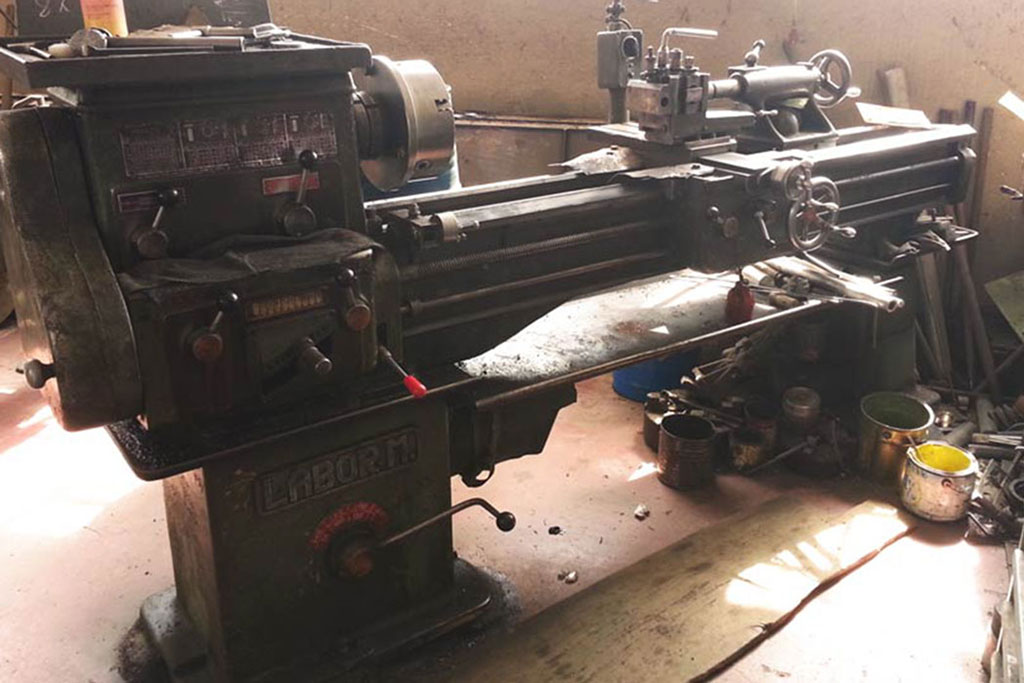
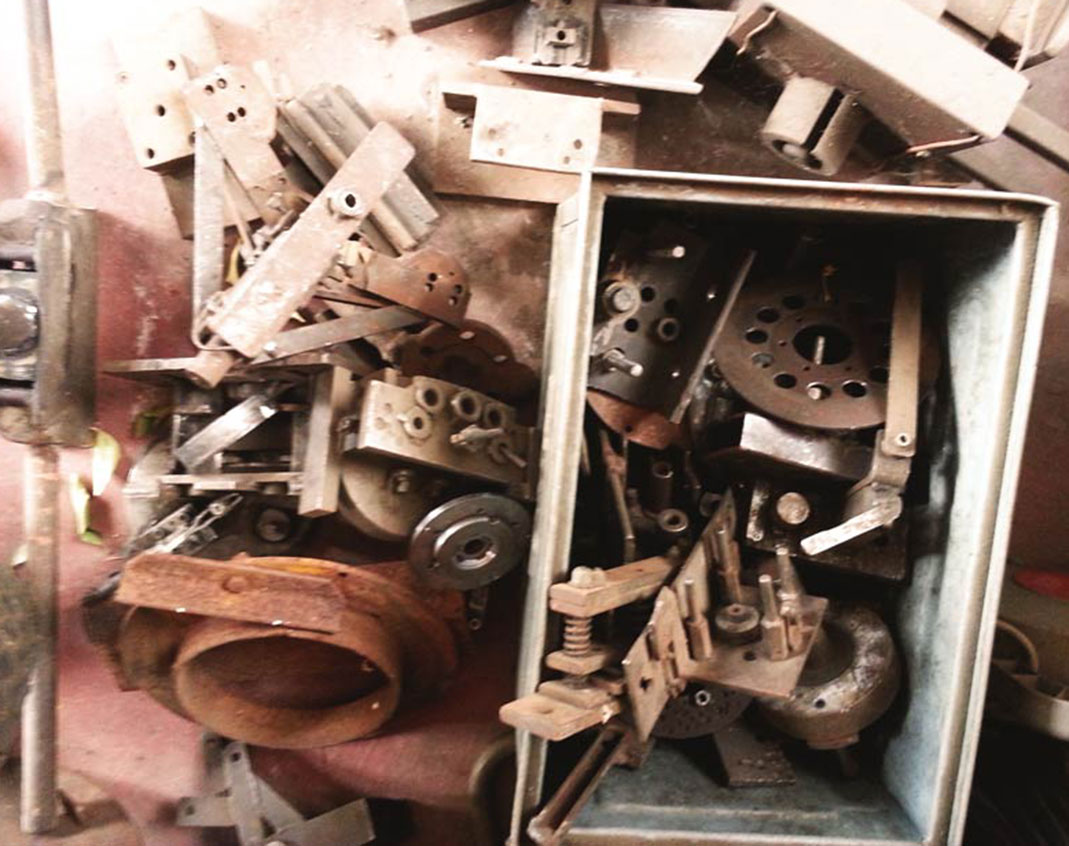
Today, they look like prehistoric artifacts, but back then they were unprecedented inventions! Antonio Bosio built many of his shop machines by hand, combining technology and scrapped components from various sources and ingeniously “recycling” them as neededRead more
User who is approaching the world of karting for the first time. They have never owned a kart or have had one for only a few months. They lack all the basic and fundamental knowledge of this sport and need information to help them get oriented. They look for answers to questions such as: how do I prepare the fuel mixture? What tools do I need to manage a kart? What are the differences between car tire pressure and kart tire pressure? And how do I transport the kart to the track?
Intermediate
User who has been practicing karting for a longer time, personally managing their own kart. They know the basics of the sport, but want to stay updated on industry developments and receive advice to improve their skills as both mechanic and driver. They look for answers to questions such as: how do I install data acquisition systems and read basic data? How do I best manage tire pressure? How do I refine the gear ratio to improve performance? The practitioner may remain at this level for life, preferring not to deal with overly complex technical topics, but continuing to improve and enjoy karting.
Expert
This is a practitioner who is not satisfied with basic knowledge and wants to explore every aspect of driving and technical setup at the highest level. Their approach is almost professional. The distinction is clear: the practitioner stops when kart-related tasks become complex, for example replacing a piston or a spark plug, without going further into advanced operations such as cylinder honing. The expert, on the other hand, is not afraid to deal with highly complex tasks, such as independently balancing the crankshaft or adjusting the ignition timing.
Sponsored Article
This article was produced in collaboration with an advertiser who supported its publication. The content is part of a promotional initiative and is not part of TKART’s independent editorial production.